Water Softener
Why should you install a Water softener?
The Algarve is one of the regions in Portugal with the highest levels of hard water.
Water softeners are used to treat hard water. They work by replacing the calcium and magnesium
in the water with sodium.
What is hard water ?
Water described as "hard" is high in dissolved minerals, specifically calcium and magnesium. Hard water is not a health risk, but a nuisance because of mineral build up on fixtures and poor soap and/or detergent performance.
Hard water problems
Laundering
Clothes washed in hard water often look dingy and feel harsh and scratchy. The hardness minerals
combine with some soils to form insoluble salts, making them difficult to remove. Soil on
clothes can introduce even more hardness minerals into the wash water. Continuous laundering in
hard water can damage fibers and shorten the life of clothes by up to 40 percent.
Bathing
Bathing with soap in hard water leaves a film of sticky soap curd on the skin. The film may
prevent removal of soil and bacteria. Soap curd interferes with the return of skin to its
normal, slightly acid condition, and may lead to irritation. Soap curd on hair may make it dull,
lifeless and difficult to manage.
Dishwashers
When washing dishes, especially in a dishwasher, hard water may cause spotting and filming on
your crockery. The minerals from hard water are released faster when it comes into contact with
heat, causing an increase in the amount of spotting and filming that occurs. This problem is not
a health risk, but it can be a nuisance to clean and reduce the quality o your crockery.
Problems in Water Boiler Systems and
Pipework
Hard water also contributes to inefficient and costly operation of water-using appliances.
Heated hard water forms a scale of calcium and magnesium minerals (limescale deposits) that
can contribute to the inefficient operation or failure of water-using appliances. Pipes can
become clogged with scale that reduces water flow and ultimately requires pipe replacement.
Limescale has been known to increase energy bills by up to 25%.
Limescale in Solar Heating
Systems
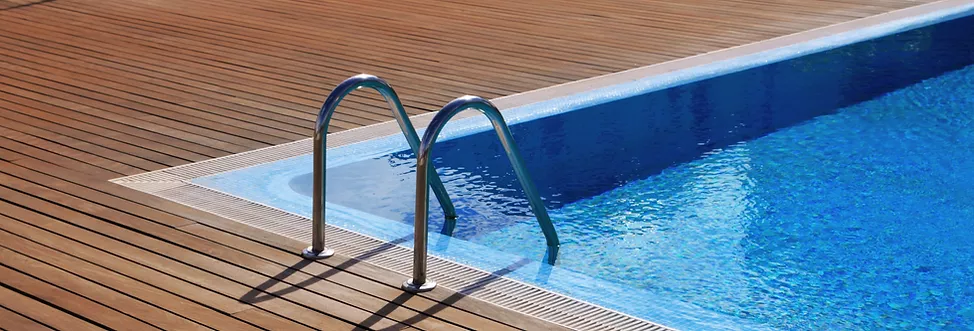
Solar heating, often used for heating swimming pools is prone to limescale buildup, which can
reduce the efficiency of the electronic pump and therefore the overall system performance will
deteriorate.
Hard Water Testing
If you are on a municipal water system, the water supplier can tell you the hardness level of
the water they deliver. If you have a private supplier or a well, you can have the water tested
for hardness.
Once you have tested your water supply, the hardness of water will be reported in milligrams per
liter (mg/l) or parts per million (ppm). One grain of hardness equals 17,1 mg/l or ppm of
hardness.
| Classification | mg/l or ppm |
|---|---|
| Soft | 0 - 17.1 |
| Slightly hard | 17.1 - 60 |
| Moderately hard | 60 - 120 |
| Hard | 120 - 180 |
| Very hard | 180+ |